
Best practices, Marketing E-mails
Best practices, Marketing E-mails
Customer feedback is the fuel for business growth, but gathering it effectively requires more than just a list of questions. Email surveys remain the most direct channel for understanding your customers, yet they face a specific challenge: ensuring deliverability. Since surveys often rely on external links (to forms or NPS tools), they can trigger spam filters if your sender reputation isn’t solid.
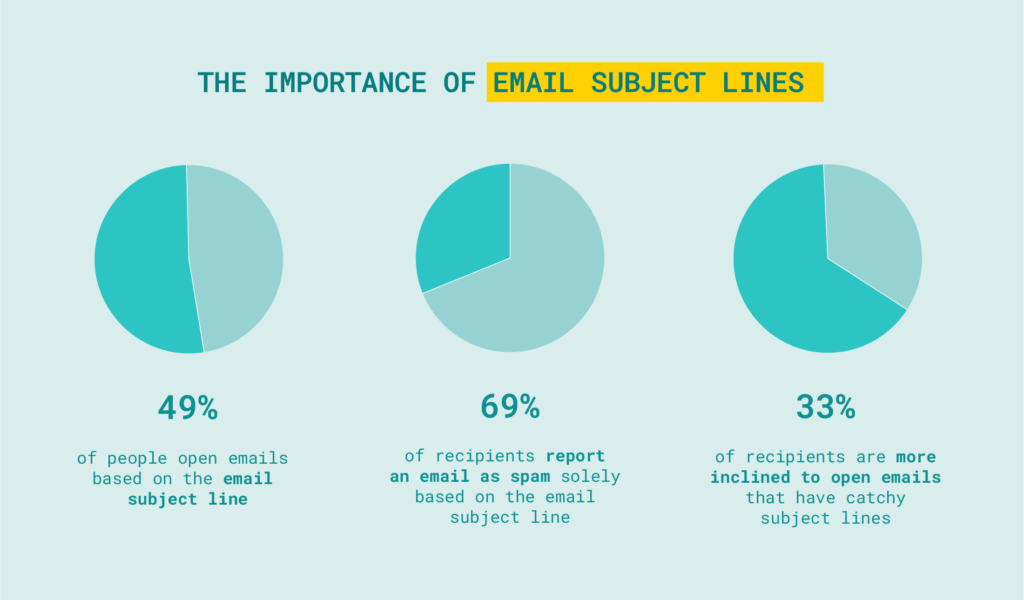
In this article, we’ll show you how to master the art of survey emails. We will cover how to design high-converting invitations – specifically, how to craft an effective survey invitation email – time them correctly for maximum ROI, and ensure they actually reach the inbox. We’ll also discuss the importance of a compelling subject line to increase open rates and help your message avoid the spam folder where valuable insights go to die.
In the B2B and e-commerce sectors, surveys are more than just a feedback loop – they are a strategic asset for reducing churn and guiding product development. Customer surveys, in particular, provide a structured way to gather direct insights into customer satisfaction (CSAT) and loyalty (NPS), enabling businesses to make data-driven decisions rather than relying on guesswork.
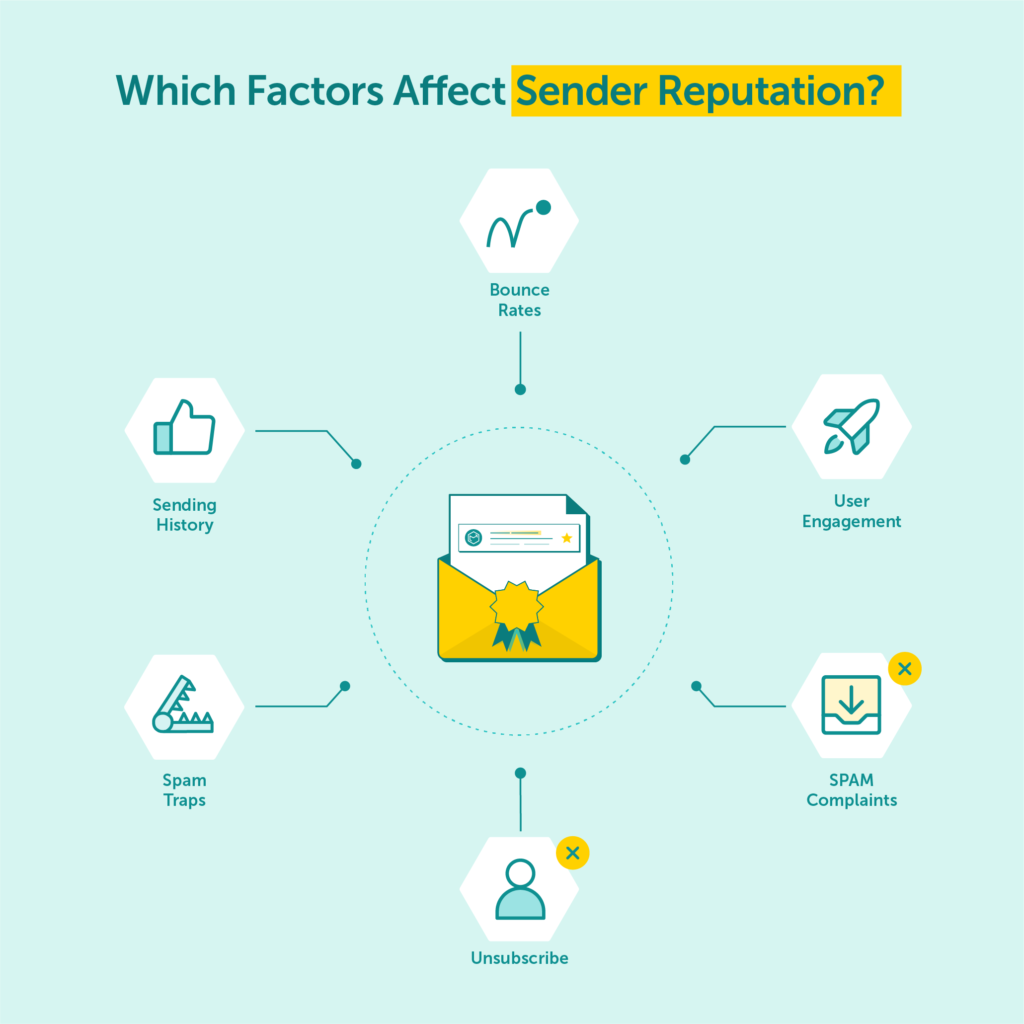
However, the effectiveness of a survey campaign hinges on two factors: engagement and deliverability. While well-designed templates and clear calls-to-action (CTAs) drive open rates, the technical foundation – such as dedicated infrastructure and proper domain authentication – ensures the email arrives at all. Different survey methods, such as email signature surveys or embedded forms, can be used to gain insights efficiently without disrupting the user experience. Survey invitations are often time-sensitive; if they land in the spam folder due to poor sender reputation or suspicious links, you lose not just a response, but a valuable opportunity to improve your customer experience. Effective survey methods help businesses gain insights that drive improvements.

Two factors determine the success of your survey campaign: the template you choose and how you craft the message. The right design sets the tone and removes friction, while compelling copy ensures the recipient actually wants to engage. By optimizing these elements, you can maximize response rates and gather actionable data.
A well-designed template does more than look good – it guides the user directly to the action. When selecting a template, prioritize mobile responsiveness and simplicity, and consider using an embedded survey to reduce friction for recipients. Complex designs with too many elements can distract the recipient or, worse, break when viewed on a smartphone.
Ensure the template aligns with your brand’s visual identity but remains user-friendly. The path from opening the email to clicking the “Start Survey” button should be obvious and unobstructed.
Using a short survey format can further increase completion rates.
To drive engagement, your email needs to be visually appealing and persuasive. Focus on these three core components:
By refining these elements, you lower the barrier to entry for your customers, significantly increasing the likelihood of receiving valuable feedback.
To gather meaningful data, you need to treat survey emails with the same strategic care as your sales campaigns. Sending generic blasts to your entire list will only hurt your sender reputation and result in poor data quality. Here are four actionable practices to maximize engagement.
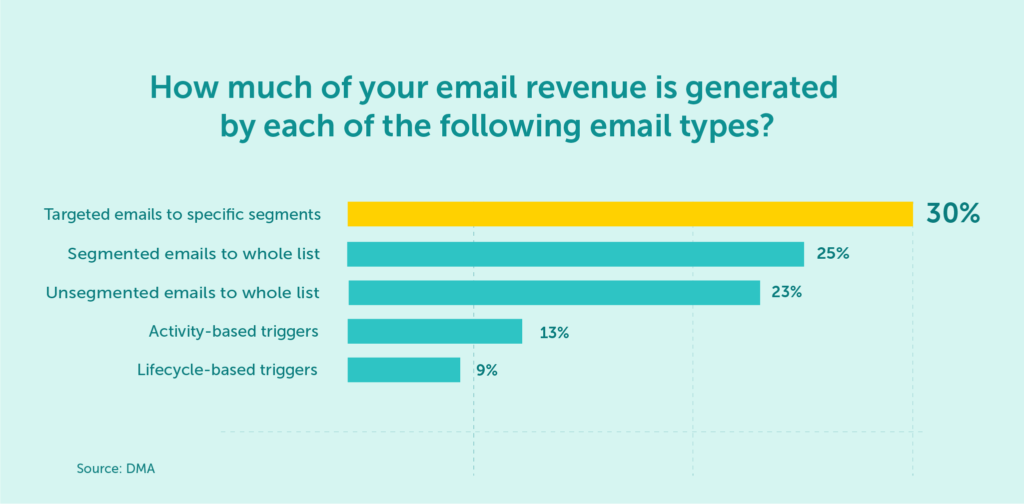
Personalization goes beyond inserting a first name. It is about context and relevance. Segment your audience based on their lifecycle stage or recent interactions, leveraging customer data for more precise targeting.
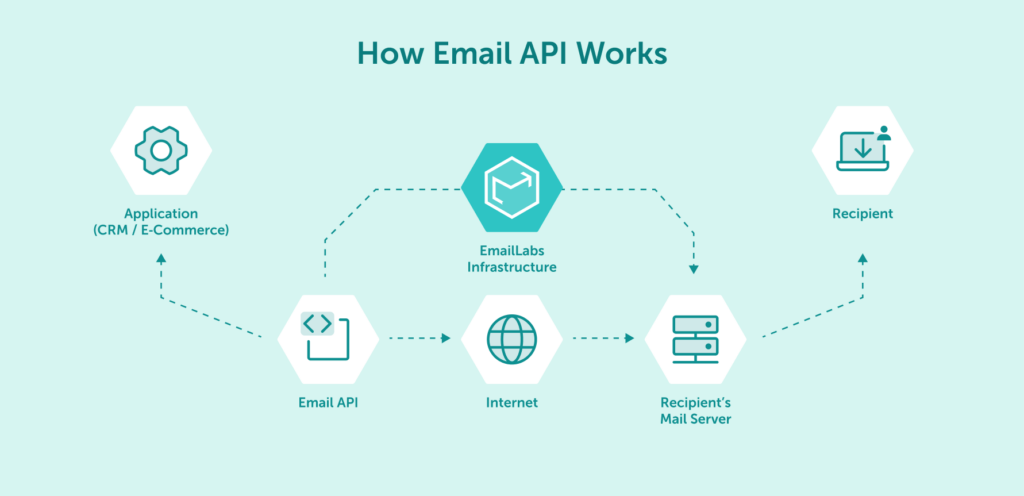
Understanding customer preferences through personalized survey e mails leads to better engagement and helps businesses improve their offerings.
The biggest barrier to high response rates is effort. To minimize friction, consider embedding the first question directly in the email body (e.g., a 1–10 NPS scale). This allows users to engage immediately with a single click. Additionally, manage expectations by stating the total time commitment upfront. Keep the copy concise and clear (e.g., ‘The full survey takes just 2 minutes’).
Success depends as much on when you ask as what you ask. Avoid generic “peak times” advice and focus on the customer journey trigger.
People are busy, and emails get buried. A single, gentle follow-up to non-responders can significantly boost your completion rate, especially when you send a survey invitation reminder. However, ensure your automation rules are strict: always exclude users who have already completed the survey to avoid frustration and spam complaints. Change the subject line in the follow-up (e.g., “Last chance to have your say”) to create a fresh appeal.
A well-timed invitation reminder can further increase participation by providing a friendly nudge to those who may have missed the initial survey e mail.
Maximize your email deliverability and security with EmailLabs!
Ready to gather insights? Below are five refined templates tailored for high engagement. Note how each example focuses on a single goal and uses a clear Call to Action (CTA) rather than embedding a long list of questions directly in the email body – which not only improves readability but also supports better deliverability.
Best used after a specific interaction, such as closing a support ticket or completing an onboarding call.
Subject: How would you rate your support experience [Ticket #12345]?
Preheader: One click to rate your support experience.
Hi [Customer Name],
We recently marked your support ticket regarding [Issue Topic] as resolved. We’d love to know if we met your expectations.
How would you rate the help you received?
[Good, I’m happy] [Bad, I’m unsatisfied]
(This will take less than 10 seconds. Your feedback helps us train our team and improve our service speed.)
Best regards, The [Company Name] Support Team
Best used for SaaS companies asking about a new feature or E-commerce brands asking for a post-purchase review.
Subject: Quick question about [Product/Feature Name]
Preheader: Help us build what you need.
Hi [Customer Name],
We noticed you’ve been using [New Feature/Product] for the past few weeks. We are constantly working to improve it, and your input is critical to our roadmap.
Could you answer three quick questions to help us understand what’s working and what isn’t?
[Share My Feedback]
Note: We read every reply and use this data to prioritize new updates.
Thanks for your help, [Name] from Product Team
Best used when planning a new product line or roadmap. Position this as an exclusive opportunity for power users to shape the future of your product.
Subject: Help us shape the future of [Product/Industry]
Preheader: We want to build what you actually need.
Hi [Customer Name],
We are currently planning our feature roadmap for Q4, and we want to prioritize the updates that will have the biggest impact on your workflow.
As a power user of [Platform Name], your insight is incredibly valuable to us. Could you spare 3 minutes to answer a few questions about your current workflow?
[Start Market Survey]
Thank you for helping us serve you better.
Best, The [Company Name] Strategy Team
Best sent within 24 hours of a webinar or conference. Combining the survey with a “gift” (e.g., recording link) increases open rates.
Subject: Quick question about [Event Name] (+ Recording inside)
Preheader: Thanks for attending! We’d love your thoughts.
Hi [Customer Name],
It was great to see you at [Event Name] yesterday! We hope you found the session on [Topic] useful.
We are already planning our next event and want to make it even better. What was your favorite part of the experience?
[Rate the Event]
PS: Missed a detail? You can watch the full recording here: [Link to Recording].
Cheers, [Company Name] Events Team
The gold standard for measuring loyalty. Keep it strictly to one question to maximize the response rate.
Subject: One quick question for you, [Name]
Preheader: How likely are you to recommend [Product]?
Hi [Customer Name],
We strive to provide the best possible service, and your honest feedback is the best way for us to measure our success.
Based on your recent experience, on a scale of 0 to 10:
How likely are you to recommend [Company Name] to a friend or colleague?
[Answer the Question]
Thanks for your trust, The [Company Name] Team
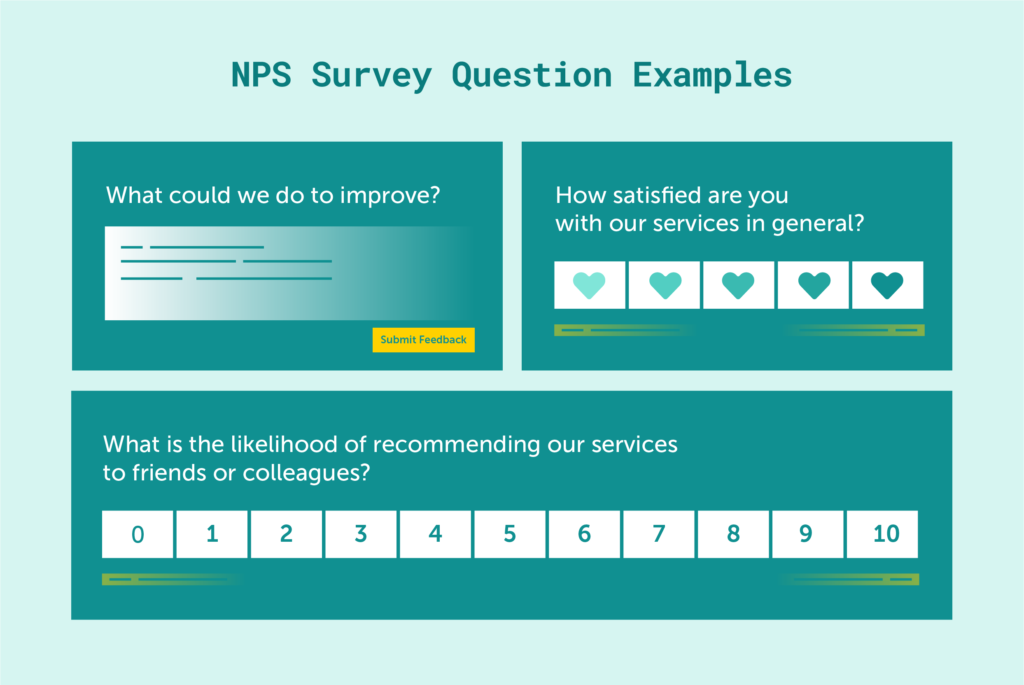
Integrating email surveys into your communication strategy is one of the most effective ways to align your product roadmap with actual customer needs and improve customer satisfaction levels. However, the success of these campaigns depends on execution. By respecting your audience’s time with concise copy, using responsive templates, and timing your invitations correctly, you transform a request for help into a seamless part of the customer experience.
Even the most perfectly designed survey is useless if it never reaches the inbox. Deliverability is especially crucial for your satisfaction survey email, as it ensures that important requests for customer feedback actually reach your recipients. Survey emails often contain external tracking survey links and redirects that aggressive spam filters may flag as suspicious.
Low response rates often stem from poor deliverability, not just a lack of interest. Ensure your invitations actually reach your audience with EmailLabs. Our dedicated infrastructure is designed to protect your sender reputation and ensure your critical customer feedback messages remain uninterrupted.

We are a group of specialists involved in developing substantive and engaging articles on emails and their deliverability. Our value is to be part of the team that creates the EmailLabs service on a daily basis, making our content fully responsive to our audience's questions and problems. Do you have any questions? We look forward to hearing from you :)
See more articles
We live in a world where your customers switch seamlessly between laptops, smartphones, and tablets. They navigate a complex digital ecosystem – checking emails, using mobile apps, and reacting...
We are delighted to announce that Vercom S.A., the company behind the EmailLabs project, has successfully completed the ISO 22301 certification process. This significant achievement underscores our commitment to...

EmailLabs, as part of the Vercom group, proudly announces its full commitment to aligning its ICT services with the latest cybersecurity standards. In response to dynamically changing regulations, the...
We are pleased to announce that MessageFlow, a product from the Vercom S.A. group, has received the prestigious CSA (Certified Senders Alliance) Certification. This recognition not only underscores the...
Modern email systems no longer treat the primary inbox as the default destination for every message. The final classification of an email is the result of a multistage evaluation...
Best practices, Maile marketingowe, Marketing E-mails, Transactional Emails
Mass email sending is a critical strategy for business owners, marketers, developers, and nonprofit managers looking to scale their outreach. Whether you are announcing a new product feature, distributing...
Best practices, Marketing E-mails
Customer feedback is the fuel for business growth, but gathering it effectively requires more than just a list of questions. Email surveys remain the most direct channel for understanding...
Modern email systems no longer treat the primary inbox as the default destination for every message. The final classification of an email is the result of a multistage evaluation...
Best practices, Maile marketingowe, Marketing E-mails, Transactional Emails
Mass email sending is a critical strategy for business owners, marketers, developers, and nonprofit managers looking to scale their outreach. Whether you are announcing a new product feature, distributing...
Best practices, Marketing E-mails
Customer feedback is the fuel for business growth, but gathering it effectively requires more than just a list of questions. Email surveys remain the most direct channel for understanding...
Best practices, Email Marketing, Pytania i odpowiedzi
Mail merge combines a template document with data to create personalized communications. This technique saves time by automatically generating individualized letters, emails, and labels without manual entry. What Is...
IT & Tech, Pytania i odpowiedzi, Technical
When an email travels from sender to recipient, it passes through several critical components of email infrastructure. At the heart of this journey sits the Mail Transfer Agent (MTA)...
Best practices, Deliverability, Google and Yahoo's Requirements, Pytania i odpowiedzi
The world of email marketing is constantly evolving, and leading mail service providers – Gmail, Yahoo, Microsoft, and Apple – regularly update their guidelines for senders. In recent years,...
Gmail, Google and Yahoo's Requirements
You might have noticed a new item in your Gmail sidebar recently – the “Manage subscriptions” tab, often flagged with a blue notification dot. While Google announced this feature...
IT & Tech, Pytania i odpowiedzi, Technical
Efficient email communication isn’t just about sending messages — it also involves integrating email functionality into your business systems and applications. Email APIs (Application Programming Interfaces) serve as the...
One of the most important yet often underestimated elements in shaping a company’s brand perception is the transactional email. In e-commerce, the design of such messages must be carefully...

