
IT & Tech, Pytania i odpowiedzi, Technical
IT & Tech, Pytania i odpowiedzi, Technical
Efficient email communication isn’t just about sending messages — it also involves integrating email functionality into your business systems and applications.
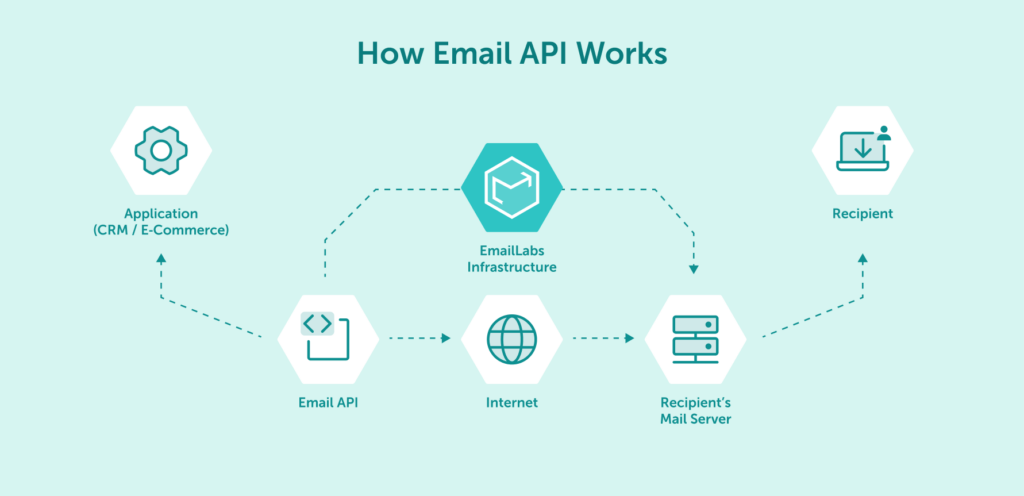
Email APIs (Application Programming Interfaces) serve as the bridge between your applications and sophisticated email infrastructure, providing control over email operations while ensuring optimal deliverability and performance.
An Email API represents a specialized interface designed specifically for programmatic email communication, offering developers a structured way to integrate email functionality into their applications.
Unlike general-purpose APIs that might handle various types of data transfer, Email APIs are optimized for the unique requirements and challenges of email delivery, including handling attachments, managing templates, and ensuring deliverability.
Modern Email APIs extend far beyond simple message transmission, offering a comprehensive suite of features:
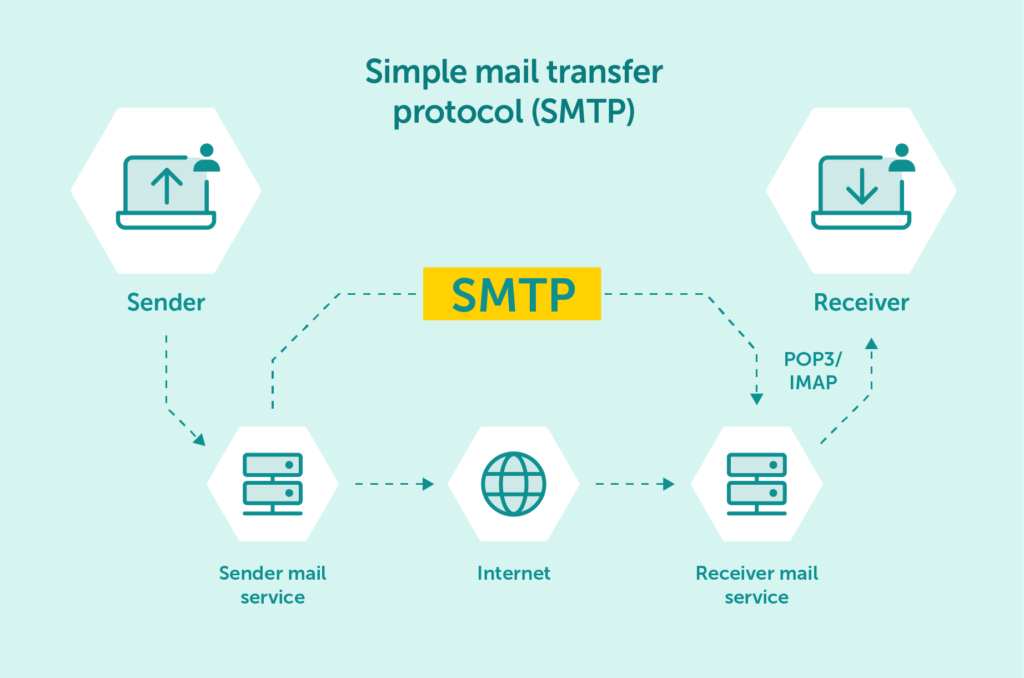
Businesses often face a crucial decision between implementing an Email API or utilizing the SMTP protocol. While both methods accomplish the fundamental task of sending emails, they differ significantly in their capabilities, implementation requirements, and use cases.
The distinction between Email API and SMTP goes beyond simple message transmission:
Email API is simply a better choice if scalability is your priority, Here’s why:
| Aspect | Email API | SMTP |
|---|---|---|
| Sending Speed | Optimized for high-volume delivery | Standard delivery speeds |
| Batch Processing | Up to 200 recipients per request | Limited by server configurations |
| Data Access | Comprehensive analytics and logs | Basic delivery information |
| Template Management | Built-in template systems | Limited or no template support |
Different business needs call for different solutions.
The evolution of email APIs has led to several distinct architectural approaches, each offering unique advantages for different use cases.
RESTful APIs represent a sophisticated approach to email integration, implementing REST (Representational State Transfer) architectural principles through secure HTTP protocols.
These APIs have become the foundation of modern email communication systems due to their robust security and scalability features:
While less common in modern implementations, SOAP (Simple Object Access Protocol) remains relevant for specific use cases:
GraphQL represents the newest approach in API design, offering unique advantages for complex email applications.
| Feature | Benefit | Use Case |
|---|---|---|
| Precise Data Fetching | Clients specify exactly what data they need | Perfect for applications requiring custom email analytics views |
| Single Request Resolution | Multiple data points retrieved in one query | Ideal for dashboard applications displaying various email metrics |
| Strong Type System | Automatic validation and clear contract definition | Essential for complex email template management systems |
When selecting an API architecture for email operations, consider these factors:
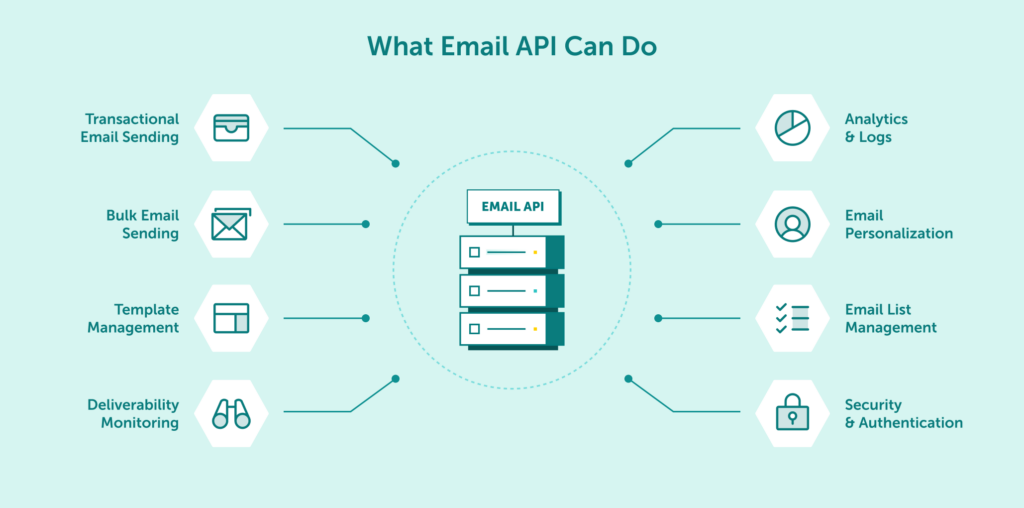
When developers integrate email functionality into their applications, understanding the core components of email APIs becomes crucial for successful implementation.
Whether you’re looking to send transactional emails or manage marketing campaigns, these components form the foundation of any robust email delivery platform.
Email service providers implement multiple authentication methods to ensure secure access to their API services. Understanding these methods is crucial when you set up email-sending capabilities:
A comprehensive authentication strategy might look like this:
| Authentication Method | Best Used For | Security Level |
|---|---|---|
| API Keys | Transactional email APIs, Marketing campaigns | High with proper key management |
| OAuth 2.0 | Third-party integrations, User-authorized applications | Very high, industry standard |
| Basic Auth | Legacy system integration, Simple email functions | Moderate, requires HTTPS |
| OpenID Connect | Enterprise SSO, Identity-verified applications | Very high, suitable for enterprise |
When you use an email API to send messages programmatically, understanding data formats becomes essential for successful API integration.
As the preferred choice for modern email API providers, JSON format offers several benefits:
XML format is still used by some email service providers, particularly in enterprise environments. Its key characteristics include:
When using a RESTful email API to send messages programmatically, understanding response codes is crucial for proper error handling and monitoring. Email APIs use standard HTTP status codes grouped into the following categories:
2xx Success — The request was successfully received, understood, and accepted:
4xx Client Errors — The request contains invalid data or cannot be fulfilled:
5xx Server Errors — The server failed to fulfill a valid request:
These components work together to create a robust email-sending system. For example, when you integrate with an email API to send transactional emails your application
This structured approach allows developers to integrate email functionality efficiently while maintaining high deliverability rates for both marketing and transactional messages.
Ready to transform your email delivery infrastructure while cutting operational costs? EmailLabs offers a robust RESTful API solution that eliminates the complexities of managing in-house email systems.
Our enterprise-grade infrastructure delivers superior performance without the burden of internal maintenance and technical overhead.
| Area | EmailLabs Advantages | Business Impact |
|---|---|---|
| Deliverability | • Pre-warmed IP addresses • Established relationships with local and global ISPs • Automatic email authorization with providers |
Eliminates months of setup and relationship building while ensuring optimal inbox placement from day one |
| Security & Compliance | • ISO 27001-certified infrastructure • Built-in SPF, DKIM, DMARC authentication • TLS encryption in all packages • Automated security updates |
Removes the need for internal security expertise while maintaining the highest protection standards |
| Scalability | • No additional hardware setup required • High throughput potential with dedicated IP options |
Enables business growth without hardware investments, allowing you to scale throughput by adding dedicated resources. |
| Analytics & Monitoring | • Real-time delivery statistics • Detailed bounce tracking • ISP response monitoring • Intuitive reporting interface |
Provides comprehensive visibility without building internal monitoring systems |
| Cost Efficiency | • No hardware investments • Included maintenance and updates • Predictable costs. |
Transforms unpredictable infrastructure costs into manageable operational expenses |
Email APIs are the cornerstone of modern business communication, offering superior scalability, security, and functionality.
With features like real-time analytics, advanced template management, and enterprise-grade security, RESTful Email APIs provide the robust infrastructure businesses need to deliver messages effectively while minimizing operational overhead.
Ready to revolutionize your email infrastructure? Contact us today to transform your email delivery capabilities with our enterprise-grade RESTful API solution, and start sending emails with confidence!

We are a group of specialists involved in developing substantive and engaging articles on emails and their deliverability. Our value is to be part of the team that creates the EmailLabs service on a daily basis, making our content fully responsive to our audience's questions and problems. Do you have any questions? We look forward to hearing from you :)
See more articles
We live in a world where your customers switch seamlessly between laptops, smartphones, and tablets. They navigate a complex digital ecosystem – checking emails, using mobile apps, and reacting...

We are delighted to announce that Vercom S.A., the company behind the EmailLabs project, has successfully completed the ISO 22301 certification process. This significant achievement underscores our commitment to...

EmailLabs, as part of the Vercom group, proudly announces its full commitment to aligning its ICT services with the latest cybersecurity standards. In response to dynamically changing regulations, the...
We are pleased to announce that MessageFlow, a product from the Vercom S.A. group, has received the prestigious CSA (Certified Senders Alliance) Certification. This recognition not only underscores the...

Modern email systems no longer treat the primary inbox as the default destination for every message. The final classification of an email is the result of a multistage evaluation...
Best practices, Maile marketingowe, Marketing E-mails, Transactional Emails
Mass email sending is a critical strategy for business owners, marketers, developers, and nonprofit managers looking to scale their outreach. Whether you are announcing a new product feature, distributing...

Best practices, Marketing E-mails
Customer feedback is the fuel for business growth, but gathering it effectively requires more than just a list of questions. Email surveys remain the most direct channel for understanding...
Modern email systems no longer treat the primary inbox as the default destination for every message. The final classification of an email is the result of a multistage evaluation...
Best practices, Maile marketingowe, Marketing E-mails, Transactional Emails
Mass email sending is a critical strategy for business owners, marketers, developers, and nonprofit managers looking to scale their outreach. Whether you are announcing a new product feature, distributing...
Best practices, Marketing E-mails
Customer feedback is the fuel for business growth, but gathering it effectively requires more than just a list of questions. Email surveys remain the most direct channel for understanding...
Best practices, Email Marketing, Pytania i odpowiedzi
Mail merge combines a template document with data to create personalized communications. This technique saves time by automatically generating individualized letters, emails, and labels without manual entry. What Is...
IT & Tech, Pytania i odpowiedzi, Technical
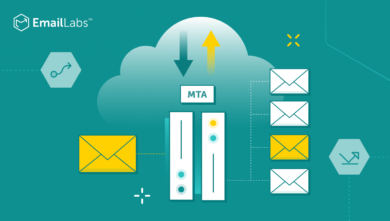
When an email travels from sender to recipient, it passes through several critical components of email infrastructure. At the heart of this journey sits the Mail Transfer Agent (MTA)...
Best practices, Deliverability, Google and Yahoo's Requirements, Pytania i odpowiedzi
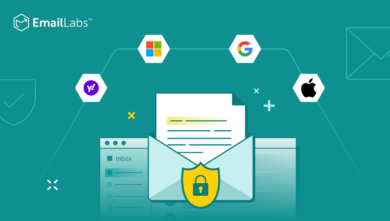
The world of email marketing is constantly evolving, and leading mail service providers – Gmail, Yahoo, Microsoft, and Apple – regularly update their guidelines for senders. In recent years,...
Gmail, Google and Yahoo's Requirements
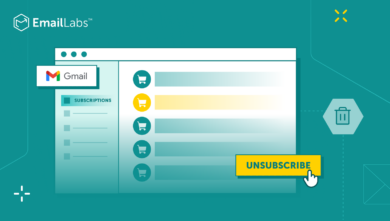
You might have noticed a new item in your Gmail sidebar recently – the “Manage subscriptions” tab, often flagged with a blue notification dot. While Google announced this feature...
IT & Tech, Pytania i odpowiedzi, Technical
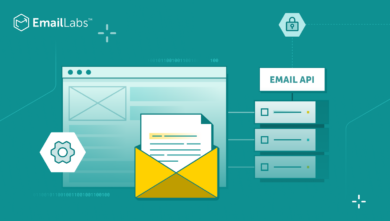
Efficient email communication isn’t just about sending messages — it also involves integrating email functionality into your business systems and applications. Email APIs (Application Programming Interfaces) serve as the...

One of the most important yet often underestimated elements in shaping a company’s brand perception is the transactional email. In e-commerce, the design of such messages must be carefully...

